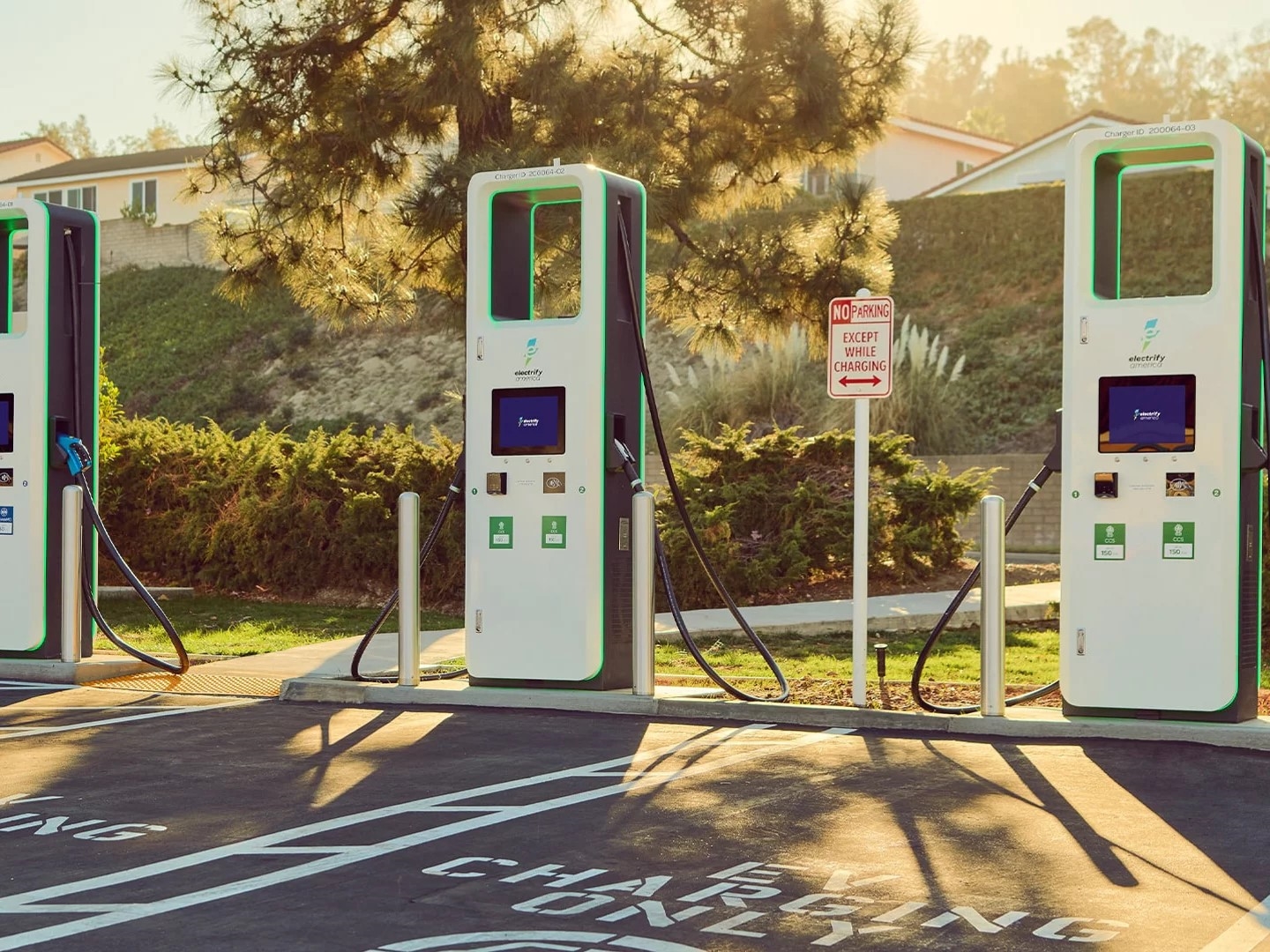
Seven prominent global automakers - BMW Group, General Motors, Honda, Hyundai, Kia, Mercedes-Benz Group, and Stellantis NV - are collaboratively embarking on an ambitious venture that promises to reshape electric vehicle (EV) charging infrastructure across North America. This groundbreaking joint venture aims to establish an expansive charging network that will significantly expand high-powered charging accessibility.
The consortium's shared objective is to install a minimum of 30,000 high-powered charging stations across urban and highway locations throughout North America. By doing so, they aspire to ensure that EV customers have convenient and ubiquitous charging options, catering to both urban and long-distance travel needs.
The soaring popularity of electric vehicle models like the IONIQ 5, IONIQ 6, Kona, and CX-90 Plug-in Hybrid signifies a dynamic shift towards sustainable transportation. As these vehicles become the choice of many, the demand for efficient and accessible EV charging infrastructure becomes more pronounced than ever. Meeting this need not only ensures the convenience and viability of electric mobility but also accelerates the global transition towards a cleaner, greener future. These popular EV models are not just transforming the automotive industry; they are driving the essential evolution of our transportation infrastructure toward more sustainable and environmentally conscious.
Key elements underpinning this joint venture's philosophy include an unwavering commitment to a superior customer experience, unwrapping the potential of high-powered charging technology, seamless digital integration, strategically appealing station locations, and the use of renewable energy sources.
One of the pivotal strengths of this charging network is its inclusivity. It will offer compatibility with both the Combined Charging System (CCS) and the North American Charging Standard (NACS) connectors, ensuring that a diverse range of EV customers, irrespective of the automaker, can benefit from the network's offerings.
The timeline for this transformative venture indicates the first charging stations becoming operational during the summer of 2024. This aligns well with the broader efforts in the public and private sectors to invest in charging infrastructure. The collaboration aims to leverage a mix of public and private funding to expedite the installation of these high-powered charging stations, aligning with the objectives of the U.S. National Electric Vehicle Infrastructure (NEVI) program.
Through this collective initiative, these automotive giants are striving to establish themselves as the predominant provider of reliable, high-powered charging stations across North America. While the joint venture is anticipated to come into existence this year, its realization is contingent on regulatory approvals and customary closing conditions. The network's benefits extend beyond its geographical reach. It's a technological advancement that's poised to provide an elevated level of convenience and support for EV owners. The network's integration with vehicles will offer a seamless and hassle-free charging experience, while its reliance on renewable energy sources echoes the shared sustainability commitments of all participating automakers.
As the first stations are set to debut in the United States by the summer of 2024, followed by subsequent expansion into Canada, each site will feature multiple high-powered DC chargers. This strategic placement of stations is anticipated to simplify long-distance travel for EV users, further promoting the viability and attractiveness of electric vehicles. In a larger context, this collaboration is emblematic of the automotive industry's collective shift toward electric mobility. By combining the strengths and resources of multiple global automakers, this initiative underscores their dedication to advancing EV technology, creating a robust charging infrastructure, and fostering a more sustainable transportation future.
In the context of today's environmental challenges, the expansion of the charging network is a proactive step toward mitigating climate change. EVs produce fewer emissions compared to traditional internal combustion engine vehicles, and a well-distributed charging infrastructure encourages the adoption of these cleaner alternatives.
In conclusion, the unprecedented joint venture involving seven major automakers is set to redefine EV charging in North America. Through the strategic installation of 30,000 high-powered charging stations, this collaboration aims to create an expansive and reliable network that offers a seamless charging experience while being powered by renewable energy sources. The venture stands as a testament to the commitment of these automotive giants to drive EV adoption and contribute to a cleaner, more sustainable transportation landscape.
References:
https://www.hyundainews.com/en-us/releases/3893 https://www.caranddriver.com/news/a44649909/automakers-ev-charging-network-joint-venture https://www.npr.org/2023/07/27/1190427896/major-automakers-are-teaming-up-to-launch-a-new-ev-charging-network-in-north-ame https://www.motortrend.com/features/tesla-nacs-charging-port-automaker-compatibility