Get the answers to all your used car buying questions! This FAQ covers everything from finding the right car to negotiating the price and getting a history report.
Buying a used car can be a smart financial decision, offering affordability and a broader selection of vehicles compared to buying a new one. However, navigating the used car market requires careful research and consideration to ensure you make a wise purchase. In this article, we'll address 10 frequently asked questions about buying a used car to guide you through the process. However, If you want to buy an awesome used car for yourself, Tustin Auto Center is best for you.
1. What are the Benefits of Buying a Used Car?
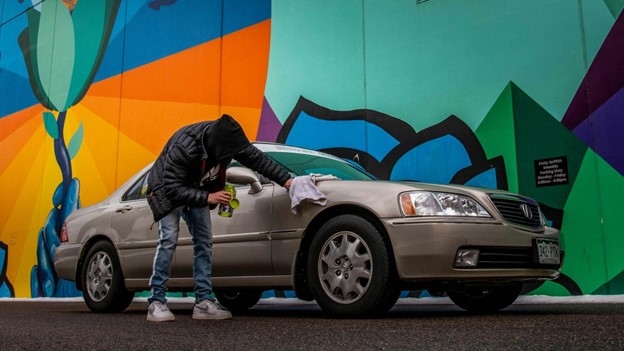
One of the primary advantages of buying a used car is affordability. Used cars generally come with a lower price tag compared to new ones, allowing you to save money upfront. Additionally, used cars have already experienced their steepest depreciation, so you avoid the rapid value loss that new cars face in their early years. Furthermore, buying used opens up a wider variety of makes, models, and features within your budget range. Tustin Auto Center is proud to offer many used cars under $20,000 at our Auto Center.
2. How Do I Determine My Budget?
When setting your budget for a used car purchase, consider not only the purchase price but also ongoing costs such as insurance, fuel, and maintenance. Determine a realistic budget that aligns with your financial situation to avoid overstretching your finances.
Start by assessing your monthly income and expenses. Calculate how much money you have available each month after accounting for essential living expenses, savings, and other financial obligations.
Consider all the expenses associated with buying a used car, including the purchase price, taxes, registration fees, and any necessary repairs or maintenance that may be required immediately or in the near future.
Determine how much you can comfortably allocate towards a car payment each month without straining your budget. A common guideline is to ensure that your total monthly vehicle expenses, including loan payments, insurance, and maintenance, do not exceed 15% of your monthly take-home pay.

3. Where Can I Find Reliable Used Cars?
Reliable used cars can be found through various sources. Dealerships often offer certified pre-owned programs that come with warranties and rigorous inspections. You can also explore private sellers through online marketplaces like Craigslist, Facebook Marketplace, or classified ads in local newspapers. Another option is attending government or private auctions, although caution is advised as these can be riskier in terms of vehicle condition.
4. What Should I Check Before Buying a Used Car?
Before finalizing a purchase, always obtain a vehicle history report to check for accidents, ownership history, and maintenance records. Conduct a physical inspection focusing on the body condition, engine performance, tire wear, and interior features to identify any potential issues.
Vehicle History Report:
Obtain a vehicle history report using the car's vehicle identification number (VIN). This report provides valuable information about the car's past, including any reported accidents, title issues, service records, and ownership history. A clean history report is generally a good sign, but be cautious of vehicles with multiple accidents or title problems.
Physical Inspection:
Inspect the exterior and interior of the car thoroughly. Look for signs of rust, dents, scratches, or mismatched paint, which could indicate previous damage or poor maintenance. Check the condition of the tires, ensuring they have sufficient tread depth and are evenly worn.
Under the Hood:
Open the hood and inspect the engine bay. Look for any leaks, corrosion, or unusual smells. Check fluid levels (oil, coolant, brake fluid) and assess the general cleanliness of the engine compartment. Note any signs of neglect or improper maintenance.
Test Drive:
Take the car for a test drive to evaluate its performance. Pay attention to engine responsiveness, transmission smoothness, braking effectiveness, and steering alignment. Test all essential features, including lights, air conditioning, heating, audio system, and power accessories.
5. Should I Get a Used Car Inspection?
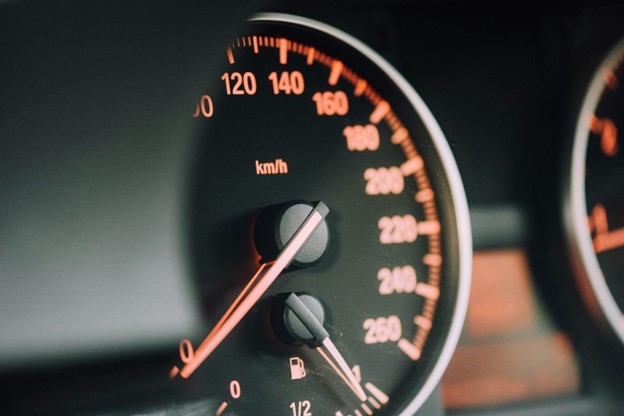
It's highly recommended to hire a qualified mechanic to conduct a thorough inspection of the used car you're interested in. A professional inspection can uncover hidden problems and provide valuable insights into the vehicle's overall condition, helping you make an informed decision.
6. How Do I Negotiate the Price?
Research comparable vehicles in the market to understand the fair market value of the car you're interested in. Use any findings from the inspection or vehicle history report as negotiation points to justify your offer and potentially secure a better deal.
Research Comparable Vehicles:
Before entering negotiations, research the market value of similar used cars in your area. Use online resources like Kelley Blue Book, Edmunds, or local classified ads to understand the typical selling prices for comparable vehicles based on make, model, year, mileage, and condition.
Inspect the Car Thoroughly:
Conduct a detailed inspection of the used car to identify any issues or maintenance needs. Use the inspection findings as leverage during negotiations. Document any necessary repairs or cosmetic flaws that could justify a lower price.
Set Your Maximum Budget:
Determine the maximum amount you're willing to pay for the used car, taking into account your budget, financing options, and the vehicle's value. This will serve as your negotiating boundary during discussions with the seller.
Start with a Reasonable Offer:
Begin negotiations with a fair and competitive offer based on your research. Avoid making an excessively lowball offer that may offend the seller but aim to leave room for potential counteroffers and adjustments.
7. What Documents Do I Need to Check?
Ensure you review important documents such as the title to verify it's clean and in the seller's name. Also, ask for maintenance records to confirm that the car has been properly serviced and maintained.
8. How Do I Finance a Used Car Purchase?
Explore loan options from banks, credit unions, or online lenders to finance your used car purchase. Compare interest rates, loan terms, and down payment requirements to find the most suitable financing option for your needs.
9. What About Used Car Warranties?
Dealerships often offer warranties on certified pre-owned vehicles, providing added peace of mind. Alternatively, consider purchasing a third-party extended warranty to cover potential repairs beyond the manufacturer's warranty period.
10. How Do I Finalize the Purchase?
Once you're ready to finalize the purchase, carefully review all paperwork including the bill of sale, title transfer documents, and warranty information. Choose secure payment methods such as cashier's checks or electronic transfers to complete the transaction safely.
Agree on the Final Price:
After negotiating the price with the seller, reach a mutual agreement on the final selling price of the used car. Clarify any included accessories, warranties, or additional services that are part of the deal.
Review and Sign the Bill of Sale:
The bill of sale is a legal document that outlines the terms and conditions of the sale, including the vehicle details, purchase price, date of sale, and the names and addresses of the buyer and seller. Review the bill of sale carefully and ensure that all information is accurate before signing it.
Transfer Ownership (Title Transfer):
Obtain the vehicle title from the seller. Ensure that the title is free of liens or encumbrances.
Complete the necessary sections of the title transfer document, including the odometer reading and sale price.
Sign the title as the buyer and have the seller sign as the seller.
Submit the completed title transfer paperwork to the appropriate state or local agency to officially transfer ownership of the vehicle into your name.
Conclusion
Buying a used car requires thorough research, inspections, and careful consideration of various factors. By addressing these 10 frequently asked questions, we hope to empower you with the knowledge needed to navigate the used car buying process confidently. Remember to visit Tustin Auto Center to buy your favorite used car at the best price and maximum value.
Follow us on Social media!
Written by AI, proofread by humans